A few winters ago, my sister called me in a mild panic. Her car had started making a high-pitched squeal every time she braked, and she was convinced the whole engine was about to fall apart. Turned out, it was just worn brake pads — a $60 fix that would’ve cost her nothing at all if she’d caught it a month earlier. That phone call stuck with me, because it’s such a common story: a small, easily explained problem turns into a moment of panic simply because nobody ever walked through what these warning signs actually mean.
This guide is here to fix that. We’re covering the ten vehicle maintenance issues — or car maintenance issues, if you prefer that phrasing — that come up again and again: what causes them, how to spot them early, and the simple, practical fix for each one. No dealership jargon, no scare tactics, just plain-language answers. And if you’d rather start from the basics of what vehicle maintenance even means, our companion guide, Define Vehicle Maintenance: Essential Guide for Reliable Car Care in 2026, is a great place to begin.
Car Problems List: A Quick Reference Table
Before diving into the details, here’s a quick-glance table you can come back to any time.
| # | Problem | Likely Cause | Simple Fix |
|---|---|---|---|
| 1 | Squealing or grinding brakes | Worn brake pads | Replace pads (and rotors if needed) |
| 2 | Check engine light | Loose gas cap, faulty sensor | Tighten cap, scan for codes |
| 3 | Rough idling or stalling | Dirty spark plugs or air filter | Replace spark plugs/filter |
| 4 | Battery won’t hold a charge | Aging battery, corroded terminals | Clean terminals, replace battery |
| 5 | Engine overheating | Low or leaking coolant | Top off, repair leak, flush system |
| 6 | Uneven tire wear or vibration | Misalignment, low pressure | Rotate, balance, align tires |
| 7 | Transmission slipping | Low or degraded fluid | Fluid check, flush, or service |
| 8 | Squealing belt or engine knocking | Worn belt or low oil | Replace belt, check oil level |
| 9 | Poor fuel economy | Clogged filter, underinflated tires | Replace filter, inflate tires |
| 10 | Fluid puddles under the car | Leaking gasket, hose, or seal | Identify fluid color, get inspected |
Now, let’s walk through each one in detail.
1. Squealing or Grinding Brakes
The problem: A high-pitched squeal when you brake, or worse, a grinding metal-on-metal sound.
The cause: Most brake pads have a small metal wear indicator built in specifically to squeal once the pad material gets thin — it’s an intentional early-warning sound, not a malfunction. Grinding, on the other hand, usually means the pad is completely worn through and metal is now contacting metal.
The simple solution: Have your brake pads inspected as soon as you hear squealing, and replaced before it progresses to grinding. Catching it at the squeal stage is a straightforward, inexpensive pad replacement. Waiting until it grinds usually means replacing the rotors too, which roughly doubles the cost.
Anecdote: This is exactly what happened to my sister — a five-minute mechanic visit and a routine pad swap, once she stopped assuming the worst.
2. The Check Engine Light Turns On
The problem: That small amber check engine light icon lighting up on your dashboard, often with no obvious symptoms at all.
The cause: According to AutoZone’s breakdown of check engine light triggers, common causes range from something as minor as a loose gas cap to something more involved, like a failing oxygen sensor or catalytic converter issue. The light itself doesn’t tell you which one — it just tells you the car’s computer detected something worth investigating.
The simple solution: Step-by-step
- Pull over safely and check whether the check engine light is steady or flashing — a flashing light usually signals something urgent, like a misfire, and should be checked immediately.
- If it’s steady, check your gas cap first. Tighten it fully; sometimes the light resets after a few drive cycles.
- Get the code read. Many auto parts stores will scan the code for free, or you can use a basic OBD-II reader at home.
- Look up what the code means, or bring the code number to a trusted mechanic for a proper diagnosis.
- Don’t ignore it for long. Even a “minor” trigger can, over time, lead to reduced fuel economy or additional wear on other components.
3. Rough Idling or Random Stalling
The problem: The engine shakes or feels unsteady while idling at a stoplight, or the car occasionally stalls out unexpectedly.
The cause: This is frequently traced back to worn spark plugs, a dirty or clogged engine air filter, or a buildup of grime in the fuel system — all of which interfere with the clean, consistent combustion your engine needs to idle smoothly.
The simple solution: Spark plugs are a relatively inexpensive, routine replacement item — typically every 30,000 to 100,000 miles depending on the type. An engine air filter swap is even simpler and something many owners handle themselves. If rough idling continues after both are addressed, it’s worth having a mechanic check the fuel injectors and idle control system.
4. Battery Won’t Hold a Charge
The problem: Frequent jump-starts, slow cranking, or a car that won’t start at all — especially on cold mornings.
The cause: Most batteries simply wear out with age, typically lasting three to five years. Corroded terminals, a parasitic electrical drain, or a failing alternator can also be the culprit, draining even a healthy battery.
The simple solution:
- Check the terminals for white, crusty corrosion, and clean them with a wire brush and a baking-soda-and-water solution if needed.
- Have the battery load-tested at any auto parts store, usually for free — this tells you definitively whether the battery itself is the problem.
- If your battery is holding a charge but your car still struggles to start consistently, ask a mechanic to test the alternator, since a failing charging system is often mistaken for “just a bad battery.”
5. Engine Overheating
The problem: The temperature gauge creeping toward the red zone, or steam rising from under the hood.
The cause: This almost always comes back to coolant — either the level has dropped too low, there’s a leak somewhere in the system, or the coolant itself has broken down and lost its ability to properly regulate engine temperature.
The simple solution: If you see the gauge climbing, pull over immediately, turn off the engine, and let it cool completely before opening the hood — never open a hot radiator cap, as it can cause serious burns. Once cool, check the coolant reservoir level and look for obvious puddles or stains under the car (coolant is often bright green, orange, or pink). A simple top-off may solve it temporarily, but a recurring low level almost always points to a leak that needs professional repair.
6. Uneven Tire Wear or Steering Vibration
The problem: One side of the tire tread looks more worn than the other, or you feel a vibration through the steering wheel at higher speeds.
The cause: This typically points to improper wheel alignment, unbalanced tires, or inconsistent tire pressure across the four tires.
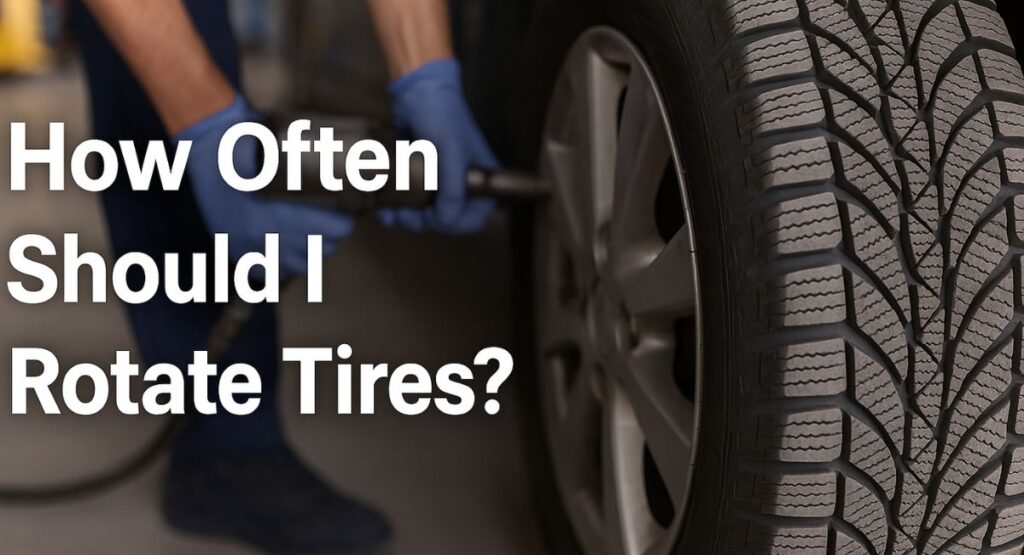
The simple solution: Have your tires rotated and balanced roughly every 5,000 to 7,500 miles, and get an alignment check if you notice the car pulling to one side or uneven wear patterns developing. Left unaddressed, uneven wear shortens tire life significantly and can affect handling and braking distance.
7. Transmission Slipping or Rough Shifting
The problem: Delayed gear changes, a jerky or hesitant feeling when shifting, or a sensation that the engine is revving without the car accelerating to match.
The cause: Low or degraded transmission fluid is the most common and most fixable cause. Transmission fluid lubricates internal components and helps transfer hydraulic pressure that controls gear shifts — when it’s low, dirty, or burnt, shifting suffers.
The simple solution: Have the fluid level and condition checked as soon as you notice symptoms. If it’s simply low or slightly degraded, a fluid change may resolve the issue entirely. Catching this early is important — this is one of the clearest examples in vehicle maintenance where a small, affordable fix now prevents an enormous repair bill later.
8. Squealing Belt or Engine Knocking Sounds
The problem: A high-pitched squeal from under the hood at startup or while turning the wheel, or a deeper knocking or ticking sound from the engine itself.
The cause: A squealing belt usually means a worn or loose serpentine belt. Engine knocking is more serious and is frequently linked to low engine oil pressure, worn bearings, or using the wrong fuel octane for your engine.
The simple solution: A belt replacement is quick and inexpensive, and well worth doing at the first sign of squealing before it snaps entirely, potentially taking your power steering or charging system down with it. Knocking sounds deserve more urgency — check your oil level immediately, and if it’s adequate, get the engine inspected promptly, since ignoring knocking can lead to serious internal engine damage.
9. Poor Fuel Economy
The problem: You’re filling up more often than you used to, with no obvious change in your driving habits.
The cause: A clogged engine air filter, underinflated tires, worn spark plugs, or overdue oil can all quietly drag down fuel efficiency — none of them dramatic on their own, but together they add up.
The simple solution: Run through a quick checklist: check tire pressure, replace the air filter if it’s overdue, confirm your last oil change was on schedule, and consider a spark plug check if it’s been a long time. These are inexpensive fixes that often restore several miles per gallon.
10. Fluid Puddles Under the Car
The problem: You notice a puddle or stain on the driveway or garage floor after your car has been parked.
The cause: This depends entirely on the fluid leak color and location, which is actually a helpful diagnostic clue:
| Fluid Color | Likely Source |
|---|---|
| Clear or light (water-like) | Normal A/C condensation — usually harmless |
| Bright green, orange, or pink | Coolant leak |
| Dark brown or black, oily | Engine oil leak |
| Red or reddish-brown | Transmission or power steering fluid |
| Yellow or clear, near wheels | Brake fluid |
The simple solution: Note the color, and roughly where under the car it’s coming from (front, middle, back). This information alone will help a mechanic diagnose the issue faster and more accurately. Don’t ignore a recurring puddle, even a small one — fluid leaks rarely fix themselves, and most only get worse over time.
List of Car Problems and Solutions: Turning This Into a Checklist
Reading about ten problems at once can feel like a lot, so it helps to turn this list of car problems and solutions into something you can actually act on. Rather than waiting for a warning sign to show up, a short recurring check catches most of these issues while they’re still cheap and simple to fix.
Car Maintenance Checklist Template: A Simple Way to Track These Issues
You don’t need anything fancy to stay on top of this. A basic car maintenance checklist template — whether it’s a printed page or a spreadsheet — just needs a few columns: the item, what to look or listen for, and the date you last checked it. Here’s a simple version to copy:
| Check | What to Look/Listen For | Last Checked |
|---|---|---|
| Brakes | Squealing or grinding | |
| Dashboard lights | Any warning icons lit | |
| Battery/terminals | Slow start, corrosion | |
| Coolant level | Low, discolored, or leaking | |
| Tires | Uneven wear, vibration | |
| Transmission | Slipping, rough shifts | |
| Belts | Squealing at startup | |
| Fuel economy | Noticeably worse than usual | |
| Fluid spots | Puddles under the car |
If you’d like a ready-made, printable car maintenance checklist organized by vehicle system rather than by problem, the Car Care Council’s free service guide is a solid, manufacturer-neutral option worth downloading and keeping in the glovebox. And for the full mileage-based version of this same idea, our pillar guide’s car maintenance schedule by mileage breaks down exactly when each system is due for attention.
Car Complaints: What Owners Report Most Often
It’s worth knowing that you’re rarely the first person to run into any given issue. Sites that track car complaints — most notably CarComplaints.com, a long-running, owner-submitted database that organizes reported issues by make, model, and year — consistently show the same handful of categories rising to the top across most vehicles: engine and transmission problems, electrical gremlins, and interior or infotainment glitches. Cross-referencing a persistent issue against a car complaints database (many of these sites also offer a mobile-friendly version for looking things up on the go) can help you figure out whether what you’re experiencing is a known, common pattern for your specific model — which is often reassuring, and can also point you toward a fix other owners have already found.
Serious Car Problems: When to Stop Driving and Call for Help
Not every item on this list carries the same urgency, and knowing the difference matters. Most vehicle maintenance issues — a squealing belt, a dirty air filter, mild uneven tire wear — are safe to drive with for a short while as you schedule a repair. A smaller number are serious car problems that call for pulling over immediately rather than continuing your trip:
- Brake failure or a pedal that sinks to the floor — stop as soon as it’s safe; this directly affects your ability to stop the vehicle.
- A flashing (not steady) check engine light — often signals an active engine misfire that can damage the catalytic converter if you keep driving.
- Engine overheating with visible steam — continuing to drive risks warping the engine’s cylinder head, turning an inexpensive fix into a very expensive one.
- Smoke from under the hood, or a strong burning smell — treat this as an emergency; pull over and shut the engine off.
- Complete loss of power steering — the car becomes significantly harder to control, especially at low speeds.
If you’re ever unsure whether a symptom is serious, the safer move is always to pull over and assess rather than “seeing how far you can make it.”
Car Issues That Take a Day to Fix (and Ones That Don’t)
Part of what makes these problems less scary once you understand them is realizing how many are genuinely quick fixes. Generally, car issues that take a day to fix — often just a few hours — include:
- Brake pad replacement
- Battery replacement or terminal cleaning
- Spark plug replacement
- Engine or cabin air filter swaps
- Serpentine belt replacement
- A basic coolant top-off (though a leak repair takes longer)
On the other end, issues that typically take longer — sometimes several days, depending on parts availability — include transmission repairs or rebuilds, engine internal repairs (like a knocking issue), and major coolant system repairs involving the radiator or head gasket. Knowing which category your issue likely falls into can help you plan around a shop visit instead of being caught off guard.
Common Car Problems by Model: Why Some Issues Are Brand-Specific
While the ten issues in this guide apply broadly across almost any vehicle, it’s true that common car problems by model can vary — certain makes and models are more prone to specific issues than others, based on their particular engine design, electronics, or components. Rather than guessing, the most reliable way to check this for your specific car is to look at real, reported data. The NHTSA’s official complaint and safety reporting system lets you search consumer-filed complaints by make, model, and year, so you can see whether an issue you’re experiencing has been widely reported by other owners of the same vehicle — a useful gut-check before assuming a problem is unique to your car or, conversely, dismissing it as normal.
Car Problem Diagnosis Tool Online: A Faster Way to Narrow Down the Cause
If you’re trying to figure out what’s wrong before calling a mechanic, a car problem diagnosis tool online can help you arrive at that first appointment with useful information already in hand. RepairPal’s Symptom Guide is one widely used, free example — it walks you through your car’s specific symptom (a noise, a warning light, a performance issue) and offers possible causes and next steps based on your answers.
These tools aren’t a replacement for a professional diagnosis, especially for anything on the “serious” list above, but they’re genuinely useful for narrowing down whether something is likely minor or worth urgent attention, and for showing up to a shop able to describe the issue clearly rather than just saying “it sounds weird.”
Why It Pays to Address These Issues Early — With Trusted Parts and Service
There’s a common thread running through every issue on this list: the earlier you catch it, the cheaper and simpler the fix. A squealing brake pad is a routine replacement; a grinding rotor is a much bigger bill. A low transmission fluid level is a quick top-off; a fully failed transmission can cost thousands to rebuild.
This is also where the parts and service provider you choose genuinely matters. Cheap, off-brand replacement parts — a bargain brake pad, a low-quality belt, an unfiltered oil — tend to wear out faster and can mask or worsen the very problems they’re meant to fix. Choosing manufacturer-recommended parts, quality fluids, and a certified, well-reviewed mechanic gives you real confidence that a fix is actually fixing the problem, not just delaying it. Ask about warranties on parts and labor, check reviews, and don’t hesitate to ask why a specific part or fluid is being recommended — a trustworthy shop will always explain their reasoning clearly.
Final Thoughts
Most vehicle maintenance issues aren’t mysterious once you know what to look and listen for. A squeal, a light, a puddle, a vibration — these are your car’s way of flagging a problem while it’s still small and manageable. The trick is simply not ignoring them, and knowing which of these signs call for an at-home check versus a trip to a trusted mechanic.
If you’d like the full picture of how to stay ahead of these problems before they start, our Complete Guide to Car Maintenance: What to Check and When walks through every system in detail, and our guide on How Often Should You Service Your Car? Essential Guide for 2026 will help you build a schedule that catches these issues before they ever become a dashboard warning light. A little attention now goes a long way toward keeping you off the side of the road later.
Frequently Asked Questions
What are common vehicle maintenance issues?
Common vehicle maintenance issues are the recurring problems that show up across nearly every make and model, usually tied to parts that wear down through normal use rather than sudden failure. The most frequent ones include worn brake pads (squealing or grinding when braking), a check engine light triggered by anything from a loose gas cap to a failing sensor, rough idling from dirty spark plugs or a clogged air filter, a battery that won’t hold a charge, engine overheating from low or leaking coolant, uneven tire wear from misalignment, transmission slipping due to low fluid, a squealing serpentine belt, declining fuel economy, and fluid leaks visible as puddles under the car. What makes these “common” isn’t that they’re minor — some can be serious — but that they follow predictable patterns tied to mileage, age, and driving conditions, which means they’re also largely preventable with routine maintenance.
What are the most common maintenance issues?
If you narrow it down to the handful that come up more than any others, three tend to dominate: brake wear, battery failure, and fluid-related problems (low oil, low coolant, or degraded transmission fluid). Brake pads wear down on every vehicle regardless of make, batteries have a hard three-to-five-year lifespan and fail predictably as they approach it, and fluids quietly degrade over time even without an obvious symptom until something starts running hot, shifting rough, or grinding. Tire-related issues (pressure, tread wear, alignment) round out the top tier, since tires are constantly in contact with the road and wear is unavoidable. Nearly every “most common” list from mechanics and consumer organizations circles back to these same core systems, which is exactly why they’re the first things covered in most maintenance checklists.
What are the 10 most common car problems?
Based on what shops and owners report most frequently, the ten most common car problems are:
Worn brake pads or rotors
Check engine light triggers (sensor faults, loose gas caps, misfires)
Rough idling or stalling from spark plug or air filter issues
Dead or weak batteries
Engine overheating from coolant problems
Uneven tire wear or alignment issues
Transmission slipping or rough shifting
Worn serpentine belts or engine knocking
Declining fuel economy
Fluid leaks (oil, coolant, transmission, or brake fluid)
These match closely with the ten issues broken down in detail in our Vehicle Maintenance Issues guide, which also covers the specific cause and simple fix for each one.
What are the 10 most common home maintenance issues?
This one shifts away from vehicles into home upkeep, but since you asked, here’s a quick honest answer: the most frequently reported home maintenance issues are typically clogged gutters, HVAC filter neglect, leaky faucets or pipes, water heater sediment buildup, roof wear and missing shingles, cracked caulking around windows and doors, slow drain clogs, worn weatherstripping, smoke and carbon monoxide detector battery failure, and foundation or basement moisture issues. Like vehicle maintenance, most of these are preventable with routine seasonal checks rather than waiting for a visible problem to appear — but if home maintenance is your main interest, that’s really a separate topic from the car-focused content in this guide.
What is a maintenance problem?
A maintenance problem is any issue that develops because a routine, preventable task was delayed, skipped, or performed incorrectly — as opposed to a problem caused by an accident, misuse, or a manufacturing defect. In other words, it’s a failure that maintenance itself is specifically designed to catch or prevent. A worn brake pad that finally grinds through is a maintenance problem; a brake line severed by hitting debris on the road is not. The distinguishing feature is predictability: maintenance problems generally give some kind of advance warning (a sound, a light, a gradual change in performance) precisely because they build up slowly over time or mileage, which is what makes routine checks so effective at catching them before they become serious.
What is typical maintenance?
Typical maintenance refers to the standard set of preventive tasks most vehicles need on a fairly predictable schedule, regardless of make or model. This usually includes: oil and filter changes, tire rotations and pressure checks, brake inspections, battery and charging system checks, coolant level checks and periodic flushes, transmission fluid checks, air filter (engine and cabin) replacements, belt and hose inspections, and wiper blade and light checks. What makes it “typical” is that these tasks apply broadly across nearly all gasoline-powered vehicles, following intervals usually expressed in mileage, time, or both — whichever comes first. Our Complete Guide to Car Maintenance: What to Check and When walks through the full version of this typical maintenance list, system by system, with specific intervals for each one.